Noonan syndrome: understanding the bigger picture
By Katherine Granich
Noonan syndrome has been called “the most common rare disease you’ve never heard of”. Katherine Granich gives an overview of what parents need to know, from diagnosis to finding the right support.
My daughter received her diagnosis of Noonan syndrome when she was eight months old, and at the time, I felt a mixture of relief, questions, and uncertainty. Having a name for her condition was reassuring, but also opened the door to a long list of medical terms, appointments, and things I had never before considered. My daughter is now 10 years old, and a decade into her journey, the most important thing I’ve learned is that her diagnosis is not her identity – it’s just one part of understanding who she is, and what she needs to live a good life.
Noonan syndrome is a rare genetic disorder that can affect many parts of the body, including the heart, growth, muscles, hearing, and vision. Some children also experience developmental, learning, speech, or behavioural differences. The extent of these features varies extremely widely, and some people are only mildly affected – you can even have Noonan syndrome and not realise you have it.
Many parents don’t know that they themselves have Noonan syndrome until they have a child who is diagnosed, but it’s not always inherited. A significant number of people with the condition have what is known as a de novo mutation, which means it arose spontaneously and was not inherited from either parent.
Noonan syndrome is one of a group of conditions collectively called RASopathies. This means they all have similar symptoms and are caused by changes in the same cell signalling pathway, the RAS/MAPK Pathway. When your child received their diagnosis, they may be told their “version” of the disease. The most common, which affects around 50% of cases, is PTPN11. SOS1 is responsible for 10-13% of cases, RAF1 is responsible for around 5% of cases, RIT1 is responsible for around 5% of cases, KRAS is responsible for less than 5% of cases, and a further 15-20% of Noonan syndrome cases are currently genetically undiagnosed. There are other rarer versions which make up the remainder of cases.
Noonan syndrome has been called “the most common rare disease you’ve never heard of” – and for good reason. It affects between 1 in 1,000 and 1 in 2,500 people. In Australia, there are as many as 20,000 people with the diagnosis, but according to the Noonan Syndrome Awareness Association (noonansyndrome.com.au), 50% of these people are either undiagnosed or misdiagnosed.
WHAT DOES NOONAN SYNDROME LOOK LIKE?
There is no definitive Noonan syndrome experience. Some children may have characteristic facial features, short stature, or a distinctive chest shape, while others may have features that are much less obvious. Heart conditions are common, and children may also experience feeding difficulties, low muscle tone, coordination difficulties, hearing or vision problems, or issues with blood clotting.
For families, this can mean that care involves several different specialists, and a treatment plan that is rarely straightforward. Following diagnosis, children may have assessments of their heart, hearing, vision, growth, and development, alongside other checks depending on their individual needs. A coordinated approach is important because this diagnosis can affect different areas of a child’s health at different stages of life. As a parent, you’ll become an expert in your child’s condition, and you may find yourself in the position of needing to educate their specialists because at times you’ll know more than they do – and yes, this can be disconcerting. Try to remember that the professionals caring for your child are your partners, and that your goal is the same: To give your child the best life possible.
WHAT ABOUT DEVELOPMENT AND LEARNING?

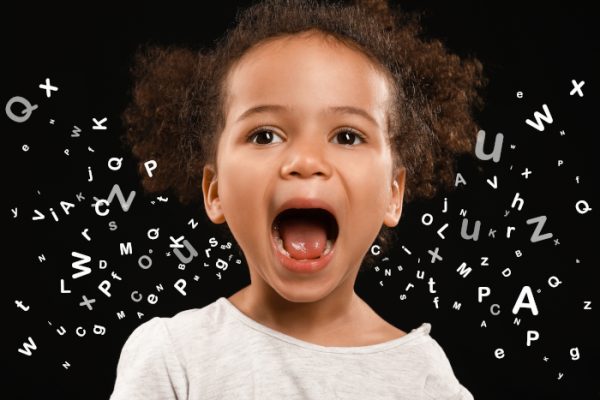
Some children with Noonan syndrome experience developmental delay, particularly with speech and language or motor skills. Learning difficulties, attention difficulties, and behavioural or emotional challenges can also occur, although many children do not have intellectual disability. ADHD can be a common co-occurring condition with Noonan syndrome.
This is where early intervention can make a real difference. Depending on your child’s needs, this might include speech-language therapy, feeding therapy, occupational therapy, physiotherapy, or other developmental services. The aim is not to make your child fit a particular idea of what is “normal”, but to give them the tools and support they need to communicate, learn, participate, and develop independence – and eventually, to be able to advocate for themselves.
For school-aged children, communication between families, healthcare professionals, and educators is particularly valuable. Your child might appear distracted, struggle with instructions, tire easily, or need more time to process information. Sharing relevant information about their strengths and challenges can help teachers understand the whole picture and develop strategies to support them.
LOOKING BEYOND THE DIAGNOSIS
One of the challenges of raising a child with a rare genetic condition is that medical needs can sometimes dominate family life. There may be cardiology appointments, growth monitoring, surgeries, therapy sessions, and more, alongside the ordinary demands of school, friendships, and family life. Remember, your child is more than their diagnosis!
Noonan syndrome doesn’t provide a blueprint for your child’s future. Instead, it gives families and professionals useful
information about areas that may need monitoring or support. Treatment is individualised and focusses on managing the health or developmental issues that affect each person. Some children may require significant support, while others need relatively little intervention.
Finding your community
A rare diagnosis like Noonan syndrome can feel isolating, but connecting with other families who understand the experience can be enormously valuable. In Australia, the Noonan Syndrome Awareness Association (noonansyndrome.com.au) provides information and resources for families, educators, and health professionals. Genetic Alliance Australia (geneticalliance.org.au) also provides information, peer support and connections for families living with rare genetic conditions.
On social media, the Noonan Syndrome Support Group – Australia (facebook.com/groups/576253259074325) brings families together in an online community to share stories and support.