Source AT Files: built to ride
From supportive seating to hand controls and carer steering, here’s how the right adaptations can help every child enjoy the freedom of cycling.
Riding a bike is a quintessential childhood experience. It is about joining siblings and friends, exploring the outdoors, building confidence, and experiencing the simple joy of riding.
Every child deserves the opportunity to ride a bike. However, for a child with disability, a standard bike might not provide the comfort, stability, or control needed for safe and enjoyable riding. Adaptive bikes, trikes, and handcycles help bridge that gap. Rather than expecting the rider to fit the bike, the bike can be adapted to fit the rider.
At Freedom Solutions Australia, we begin by understanding the child first. We look at how they move, sit, use their arms and legs, and what support they may need from family members, carers, or therapists. Working closely with the child’s support team, we focus less on a particular product and more on function, participation, and possibility.
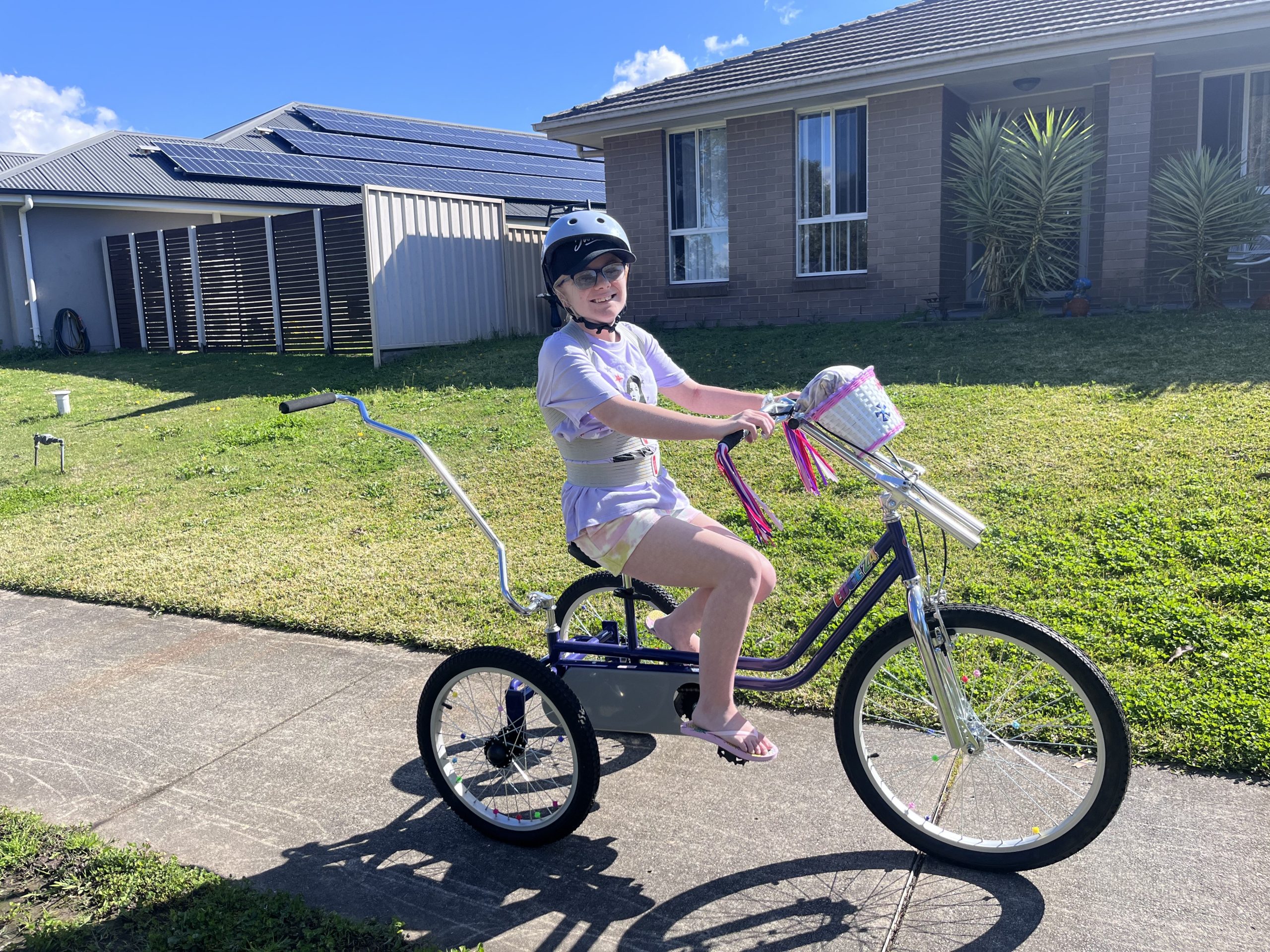
Importantly, there is no single solution for all. Some riders may do well on a bike fitted with outriggers (stabilisers) for extra balance, while others may benefit from a trike that gives more stability and support. For children who do not have function of their lower limbs, handcycles can offer an enjoyable and active way to ride. The right choice depends on the individual’s abilities, goals, and support needs.
We approach adaptive cycling by considering the key functional domains involved in riding: transfers, posture, pedalling, steering, and braking. Understanding these areas can help identify the supports that may assist a child to ride successfully.
Starting with Transfers
Before a child can ride, they need to be able to get on and off the cycle safely and comfortably.
Several adaptations can make transfers easier, safer, and more independent. These may include adjustable handlebars that move out of the way to create extra transfer space, low step-through frames that make it easier to move the legs across the bike, step blocks to provide additional height when needed, and swivel seats on some trikes that rotate to improve access.
To improve safety during transfers, most bikes and trikes are fitted with parking locks or stabilising mechanisms that stops unwanted movement while the rider is getting on or off.
Posture: Creating a Stable Base for Movement
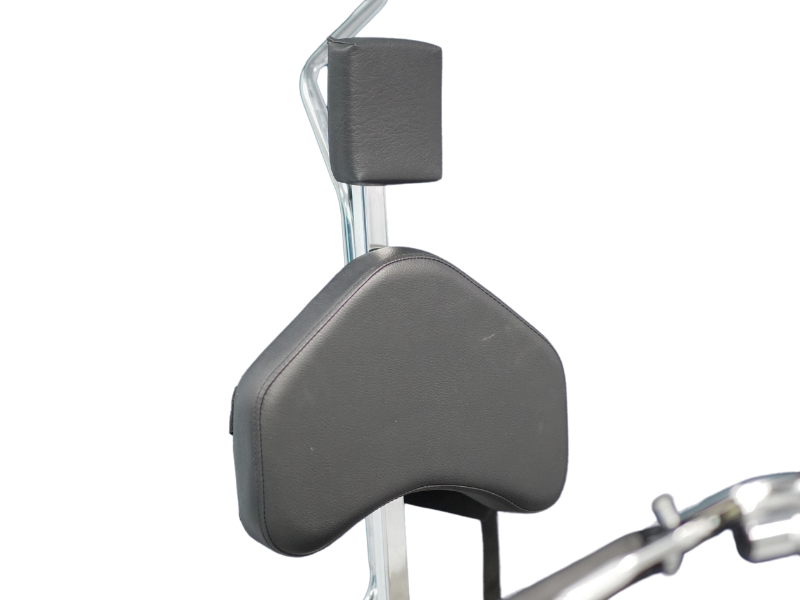
A well-supported seated position can make steering, and most importantly pedalling, much easier.
Common postural supports may include flat back supports, lateral supports, pelvic belts, headrests, and customised seating options. A variety of seats are available, ranging from small to large, with different shapes and support features to help find the right fit for each child. For some riders who require additional support, harnesses can be added to help maintain upright alignment and reduce unnecessary movement. These supports can be particularly beneficial for children with reduced upper body control, fatigue, fluctuating muscle tone, or asymmetrical posture.
The goal of postural adaptations is to provide the right level of support while encouraging the child to actively participate in riding.
Pedalling: Supporting Active Participation
Pedalling can be one of the most rewarding aspects of riding, and the right setup is crucial.
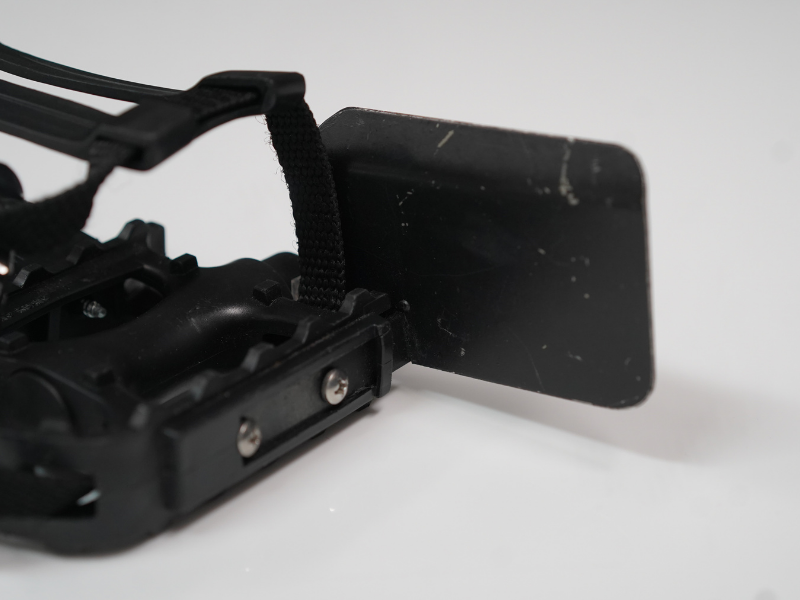
One of the first considerations is whether the rider would benefit from a fixed-wheel pedal system or whether they are able to use a freewheel pedal system. This depends on the child’s strength, coordination, and pedalling ability. From there, we look at foot positioning and support.

Common adaptations may include toe clips, straps, foot cups, and heel support pedals to help maintain foot position and improve comfort while riding. For riders with more complex postural or alignment needs, crank lengths can be modified, heel plates can be added, and knee abductors can be prescribed for children with windswept knees.
For children who experience fatigue or require additional assistance, carer-operated electric-assist systems can provide support while still encouraging active participation. These systems can help riders travel further, ride for longer, and remain engaged in the cycling experience.
Steering with Confidence
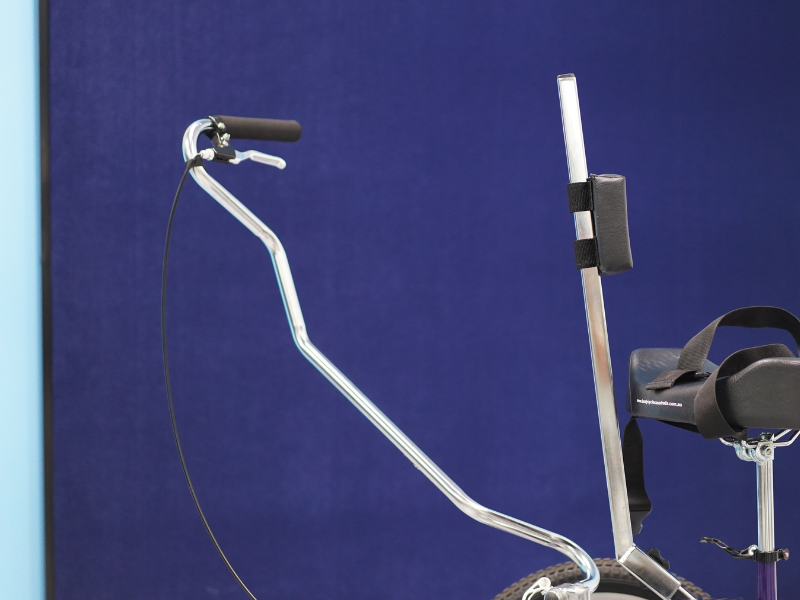
The right handlebar setup can significantly improve control, comfort, reach, and hand positioning. A variety of handlebar styles are available, including upright, looped, and adjustable handlebars, each offering different benefits depending on the rider’s needs. Custom handlebar solutions can also be developed to support individual positioning, access, and control requirements.
For some children with behavioural, cognitive, or intellectual challenges, carer-controlled rear steering may be an appropriate option. This allows a parent or support person to assist with directional control while the rider remains actively involved in the cycling experience.
Braking and Safety
Braking is a vital part of safe riding and should be matched to the rider’s abilities.
Brake adaptations can be made to improve the child’s ability to slow or stop the cycle safely and confidently. Common options include repositioning the brake levers to the dominant side, modifying lever reach, using dual-pull brakes, or adding back-pedal brakes, depending on the rider’s strength, coordination, and hand function.
Where additional support is required, carer-operated braking systems can also be added, allowing a parent or support person to assist with slowing or stopping the cycle when needed.
Creating Opportunities Through Cycling
Every child has their own unique strengths, challenges, and goals, and adaptive cycling is about finding the right combination of supports to help them succeed.
By considering the five functional areas of riding, transfers, posture, pedalling, steering, and braking, families can better understand the adaptations available and how they may support their child’s participation.
From bikes with stabilising outriggers and supportive trikes to handcycles and highly customised solutions, adaptive cycling can help remove barriers and create opportunities for children and young people with disability to experience the physical, social, and emotional benefits of riding. With the right support, more children can build confidence, develop skills, and enjoy the freedom, independence, and fun that cycling brings.
To learn more about Freedom Solutions Australia and its Freedom Wheels product range, contact 1300 663 243, email [email protected], or visit freedomsolutions.org.au