
Disability parenting & wellbeing: Looking after you
by Professor Helen Bourke-Taylor PhD
Is it possible to balance health and wellbeing and stay on top of the ever-growing load of parenting responsibilities?
This is a common question that parents of children and young people with additional care needs ask themselves periodically. Sometimes they ask it out loud. Mostly parents just wonder: is it me, am I enough? The question seems to reverberate when times get tough, the system of support around their child changes unexpectedly, or life events just happen when least expected. Yes, you are enough.
It is not easy to answer the question of balance when parents are carrying a heavy load. As an occupational therapist and researcher for the past 36 years, I can say with confidence:
· Parents are amazing
· Somehow parents manage often under quite difficult circumstances
· Every parent needs to find the motivation and develop the skills to support their own health and wellbeing alongside family life.
Parents are important people.
You are an important person.
Your health matters
How do other parents feel. Am I alone?
Over the years, we have conducted research with parents to uncover how they experience health and wellbeing 1,2,3. If you are struggling with your health and wellbeing right now, you are not alone. Here are some of the types of comments we’ve heard:
“I realised I’m doing absolutely nothing for myself . I tend to get lost in looking after everyone else…My children come first…by the time I get to myself, I do not have enough time, it’s not a priority.”mother of child with disability
“You’re so caught up in what’s happening with life that you do not even have time to think that you are not actually looking after yourself”mother of child with disability
“I don’t get a lot of sleep, which affects my efficacy at work, also I’m quite stressed…It’s hard to explain, but whenever I’m out and about with my daughter, [I am] being constantly vigilant to her needs…I feel I need to make sure she’s not feeling overwhelmed and is safe”father of child with disability
There is no doubt that disability can mean much higher time and energy commitments from parents. Research indicates parents of children with disability spend substantially more time in childcare and associated tasks, and have less time for their own needs4. We also know that parent energy and stress impacts family outings and participation in fun and enjoyable activities in the community5. There are many reasons to find ways to protect your own health and wellbeing: you have a lot of responsibility within your family and unique life situation.
You are an expert in your own situation and will know if your own behaviour has changed. Look out for examples such as: Feeling dread receiving NDIA emails; extreme fatigue reading another report; avoidance of essential paperwork; constant anxiety or emotional numbness; or can’t remember when you last had a good nights sleep. If you relate to any of these, your health and wellbeing may need to be addressed sooner rather than later.
What is Wellbeing?
Wellbeing is more than just the absence of illness; it is the happiness and satisfaction we feel within our daily life, including good health. Better health and wellbeing mean that you have sufficient energy and mental bandwidth to manage with daily hassles and enjoy (or even notice sometimes) daily uplifts. It also means that you can more easily maintain supportive relationships and feel a positive sense of connection to your community. Wellbeing is personally experienced and it fluctuates. Think about your sense of wellbeing right now. A quick self-check might involve:
- How do I feel right now?
- How is my mind working right now?
- How does my body feel right now?
If you are not satisfied with your health and wellbeing, it’s time to make changes. There is help available. Research shows that parents can make positive changes to support themselves.
Improving your wellbeing may mean having time to read a book, feeling in control of your schedule, or simply enjoying a nutritious meal with the family.
You can feel calm and happy. You might believe that you don’t have the time to think about your mental or physical health, or follow-up on something that has been reducing your feelings of wellbeing for a while. Our research shows that parents can make drastic improvements to their own situation with some supports in place6.
Why Self-Care is Important
It is a common struggle to feel that you need to be superhuman to meet the needs of your child, but everyone has limits. Practicing self-care is a vital way to prevent exhaustion and illness and improve your own health and wellbeing. Here are some messages from parents about taking care of yourself:
“I don’t have to feel guilty about spending time on my own wellbeing. Actually… I am important” mother of child with disability
“I’ve been thinking a lot about my own health. I realise how important it is to look after myself. I have finally given myself permission to take time out, relax and express my own needs” mother of child with disability
“Finding time for myself to actually go for a walk. Going out and doing something, even just one hour a week, is great for the mindset and sets you up for a better week with your life.” mother of child with disability
“It’s your responsibility to put yourself first. Don’t put yourself last—it’s not sustainable.” mother of child with disability[SKS1]
How Can You Improve Your Wellbeing?
Every little thing you do for yourself is a step in the right direction.
Research shows that finding the time and support to participate in Health Promoting Activities (HPA) substantially improves wellbeing and health. These are self-selected actions that maintain your health, such as:

- Physical activity: Such as vigorous walk alone or with a friend, playing a sport, dancing or anything that gets your heart rate up and the anti-stress hormones flowing.
- Self-care planning: Such as purposefully planning what to eat and when to rest.
- Rejuvenating time: Such as practicing mindfulness, listening to your favourite music, spending time in green spaces, or spiritual reflection/meaning making.
- Quiet leisure pursuits: Such as reading, cooking for pleasure, spending time with family watch movies or visiting art galleries.
Participating in a range of activities just 2 to 3 times per week can lead to a significant reduction in signs of stress and anxiety and improved health and wellbeing.
Keep yourself in balance
Do things that make you feel okay
Contain activities and situations that risk your wellbeing
Find time for yourself
Protect time for yourself
Identifying When You’re Not OK
Acknowledging that you are struggling is not a sign of being inadequate, that you haven’t tried hard enough or that you don’t deserve better. It is really common to feel overwhelmed, because constant challenges navigating complex services, funding, and managing high care needs is a lot.
Research is conclusive that parents experience much higher stress and strain on their mental health. You might have noticed changes in your appetite, sleep patterns, energy levels, or a loss of interest in things you used to enjoy. Other changes could include social withdrawal, increased alcohol/medication use, persistent feelings of hopelessness or even feeling angry a lot of the time. If you feel this way, reach out to supportive others around you. Get in contact with professional services such as:
· Lifeline: https://www.lifeline.org.au 131114
· Carer gateway: https://www.carergateway.gov.au 1 800 422 737
· Beyond Blue: www.beyondblue.org.au 1300 22 4636
· Black Dog institute: https://www.blackdoginstitute.org.au
· SANE Australia helpline: 1800 187 263
· Mensline Australia: 1300 78 99 78
· Healthy Mothers Healthy Families: https://healthymothers-healthyfamilies.com
Help: finding a health professional to connect with to support your health.
Accepting support is an investment in your health and wellbeing. Your family and friends may want to help but don’t know where to start—be assertive and tell them what you need, whether it’s a listening ear or someone to attend an appointment with you. Many parents say that child-free time to attend health and medical appointments is a challenge. Build community around yourself to enable making, attending and benefiting form visits with a health professional.
If your self-check revealed feelings of poor wellbeing, it is probably time to get in contact with your general practitioner (GP) or trusted health professional to access formal support. Medicare provides Australian parents with numerous mental health and other services through your GP. The Carer Gateway provides free counselling and other support services. Do yourself a favour and make an appointment because there is help out there and you will benefit from health services for yourself. Afterall, as parents we do our best to make sure our children have the health care team around them that they need. Turning these skills towards yourself is smart and puts you on the pathway to better health and wellbeing.
If you feel that your concerns are brushed aside by health professionals, be persistent. Find a better listener. You are an important person. Your health matters.
A Final Word of Encouragement
You are doing a great job navigating an incredibly complex path. You are capable of feeling good and looking after yourself. Finding time and protecting time for yourself and your health is important. Be kind to yourself. Remember that seeking help is a strength, not a weakness. Value yourself as much as your child/ren and family value you. You are an amazing person!
References
1 Bourke-Taylor, H.M., Jane, F.M. (2018) Mothers’ Experiences of a Women’s Health and Empowerment Program for Mothers of a Child with a Disability. Journal of Autism and Developmental Disorders. 48(6), pp 2174–2186, https://doi.org/0.1007/s10803-018-3486-0
2 Harris, V., Bourke-Taylor, H. M., & Leo, M. (2022). Healthy Mothers Healthy Families, Health Promoting Activity Coaching for mothers of children with a disability: Exploring mothers’ perspectives of programme feasibility. Australian Occupational Therapy Journal, 69(6), 662-675. https://doi.org/10.1111/1440-1630.12814
3 Bourke-Taylor, H.M., Cotter, C., Joyce, K., Reddihough, D. Brown, T. (2022) Fathers of children with a disability: Health, work and family life issues. Disability and Rehabilitation 44(16), 4441-4451. https://doi.org/10.1080/09638288.2021.1910739
4 Bourke-Taylor, H.M., Joyce, K., Tirlea, L. (2021) Further psychometric evaluation of the My Family’s Accessibility and Community Engagement (My FACE) tool: Mothers’ ratings of perceptions of community accessibility and engagement for their child with disabilities. Research in Developmental Disabilities, 114(7), 103955. https://doi.org/10.1016/j.ridd.2021.103955
5 Luijkx, J., van der Putten, A. A. J., & Vlaskamp, C. (2017). Time use of parents raising children with severe or profound intellectual and multiple disabilities. Child: care, health and development, 43(4), 518–526. https://doi.org/10.1111/cch.12446
6 Bourke-Taylor, H. M., Mackay, T., Leo, M., & Tirlea, L. (2026). Long-term follow-up for mothers of children with disability after healthy mothers healthy families e-workshops. Australian Occupational Therapy Journal, 73(4), e70107. https://doi.org/10.1111/1440-1630.70107 [SKS2]
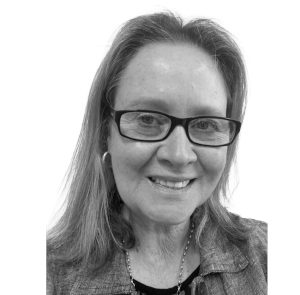
Professor Helen Bourke-Taylor PhD is an occupational therapists and childhood disability and parent researcher at Monash University. Helen is the founder of the evidence-based workshop and digital program Healthy Mothers Healthy Families (HMHF). HMHF is currently freely available at Belongside Families: https://belongsidefamilies.org.au/our-programs/healthy-mothers-healthy-families