10 ways to support your child’s bike riding journey
By Jade Carnall
Learning to ride a bike is an exciting milestone for many children. It builds confidence, encourages physical activity and creates opportunities to explore the world with family and friends. Every child’s journey will look different, and that’s okay. Whether they’re using a balance bike, two- wheel bike, training wheels, an adapted bike or a trike, the goal is simply to have fun and participate in a way that works for them.
1 | THE RIGHT BIKE MAKES ALL THE DIFFERENCE
Finding a bike that suits your child’s size, abilities and goals can make learning much easier. Your physiotherapist or occupational therapist can help you choose the right bike or adaptations by considering how and where your child will be riding most often. The best bike is the one that supports your child to participate and enjoy the experience.
2 | CHECK THE FIT BEFORE YOU START
A properly fitted bike is safer and easier to ride. The seat should allow a slight bend in the knees while pedalling, and the handlebars should be easy to reach without your child having to stretch. Your child should be able to comfortably place at least the balls of their feet on the ground when learning, depending on the type of bike and their riding goals.
3 | SAFETY ALWAYS COMES FIRST
A helmet is essential, along with enclosed shoes for good grip. If your child uses an adapted bike or trike, check that any harnesses, belts or supports are secure before every ride.
4 | CONFIDENCE COMES BEFORE RIDING
Your child doesn’t need to pedal straight away. Start by simply sitting on the bike, exploring how it feels, practising getting on and off, squeezing the brakes and turning the handlebars. Feeling comfortable with the bike is the foundation for learning to ride.
5 | CHOOSE THE RIGHT PLACE TO START
Look for a flat, smooth and quiet area with plenty of space to move. Parks, empty basketball courts or shared pathways away from traffic can be great places to practise. A familiar environment with few distractions can also help children focus on learning new skills.
6 | BREAK IT DOWN INTO SMALL STEPS
Riding a bike involves lots of different skills. Practise one skill at a time, such as: • Sitting and balancing

• Getting on and off the bike • Pedalling
• Steering
• Braking
Learning one skill at a time helps build confidence and makes the process more enjoyable. Once your child is confident with each individual skill, they’ll be ready to put them all together and enjoy the excitement of riding.
7 | DON’T BE AFRAID TO ADAPT
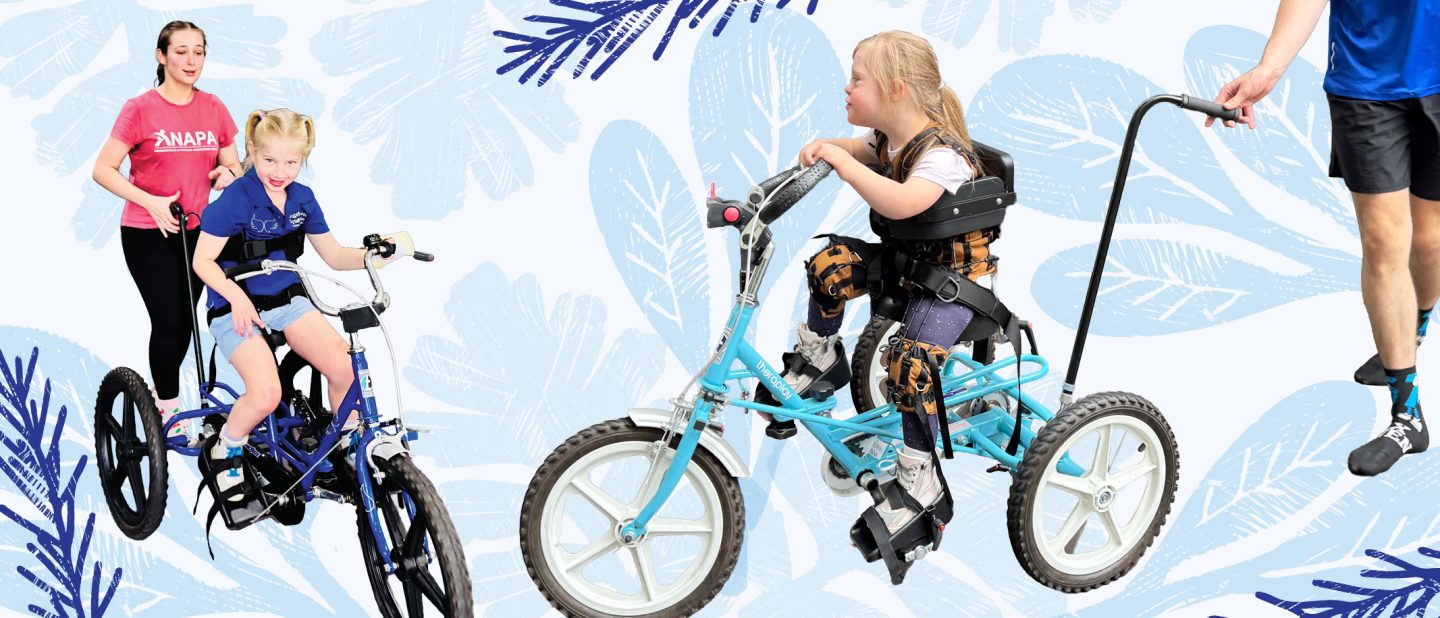
Sometimes a small change can make a big difference. Equipment such as pedal straps, pelvic supports, steering aids or hand supports can help children ride more safely and successfully. Your physiotherapist or occupational therapist can help identify what might work best for your child.
8 | LEARN ALONGSIDE OTHERS
Inclusive bike riding programs are a wonderful way to build skills while having fun. They also provide opportunities to meet other families, learn from experienced instructors and enjoy being part of the community. Riding with others can also boost motivation and confidence.
9 | CELEBRATE EVERY SUCCESS
Every achievement is worth celebrating, from sitting on the bike independently for the first time to riding a few metres or mastering the brakes. Learning takes time, and every child progresses at their own pace. Some days will feel easier than others. It’s completely normal for children to need lots of practice or revisit earlier skills before moving on.
10 | REMEMBER EVERYONE’S BIKE RIDING JOURNEY IS DIFFERENT
The goal isn’t to ride like everyone else. It’s to find the way of riding that works best for your child. Bike riding supports confidence, physical activity, independence and participation in everyday life. However, your child rides, they’re building skills, exploring their community and creating lasting memories.
Every child deserves the opportunity to experience the joy of bike riding in a way that suits their individual needs and abilities. With the right support, equipment and encouragement, bike riding can become a lifelong source of fun, confidence and participation.
Jade Carnall is a physiotherapist and the Clinical Director of the Brisbane NAPA clinic. Learn more about NAPA’s services and how they can support your child at napacentre.com.au